
Context
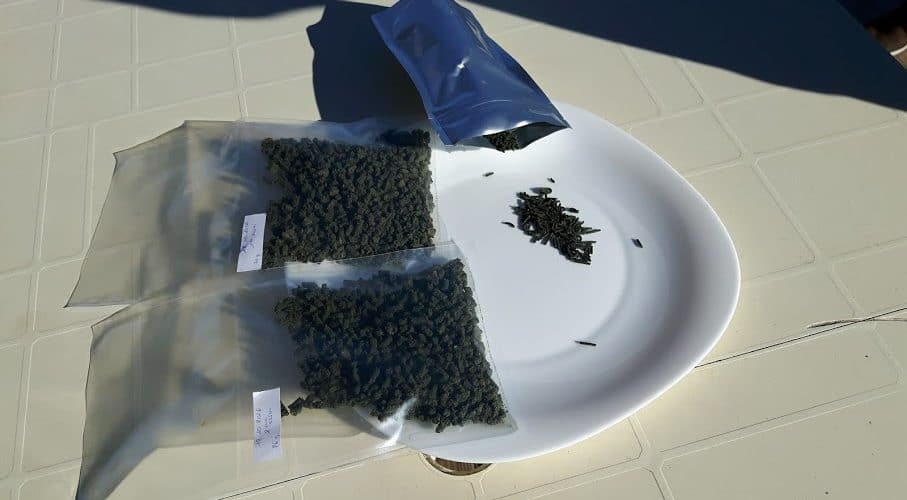
While aquaculture constitutes an alternative in the face of the pressure exerted by industrial fishing on fisheries resources, it also makes use of products derived from the intensive fishmeal industry. Farmed fishes are mainly fed on small pelagic fishes transformed into meal. For the purpose of sustainable development and the preservation of stocks, it is today necessary to envisage different ways of feeding farmed fishes by seeking other solutions, such as including in the alimentary bolus sustainable foods, ”pharmafoods’ composed in particular of insects, legumes and algae, while valorising unsold foodstuffs.
Programme
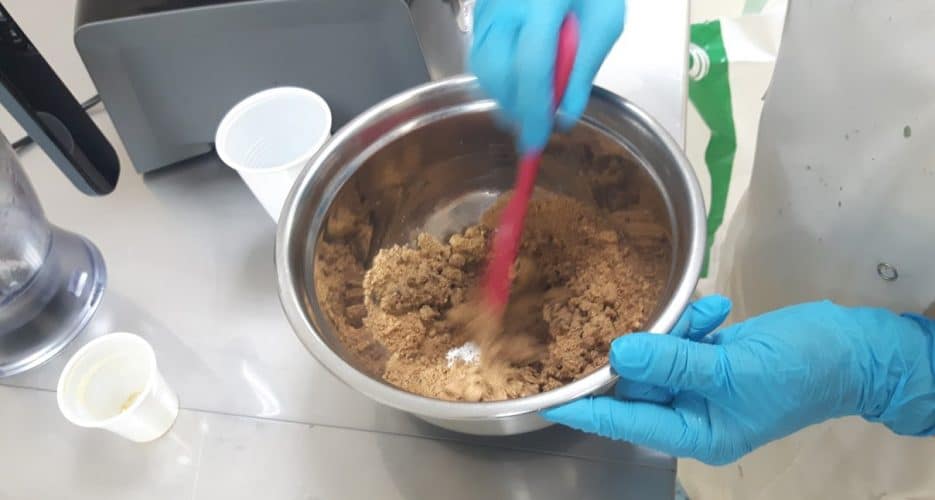
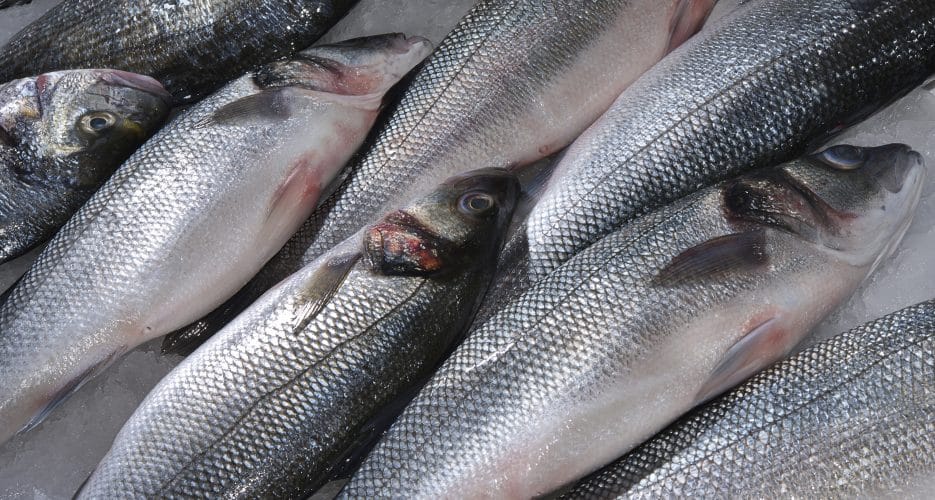
The main aim of the AIPAD project is to develop a new feed for marine aquaculture based on sustainable protein foodstuffs, which would make it possible to reduce the pressure on wild fish stocks and reserve them for human consumption. This will involve assessing the adaptation of fishes to a new alimentary bolus from the physiological and morphological points of view, and analysing their growth rate in comparison with a classic feed constituted of fishmeal.
Phase 1
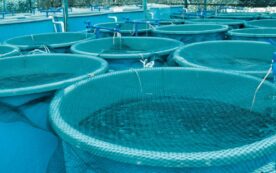
This experimental phase, carried out at the Institute’s research centre at the Ile des Embiez, consists in performing trials in tanks to test several feed compositions by varying the percentage of proteins. Six experimental tanks will be used: three for a control group fed with traditional fishmeal, and three for the fishes fed with the new formula. The tanks are supplied with seawater on a permanent basis and are temperature-controlled. In the course of the experiments, regular analyses will monitor the physical and chemical parameters (temperature, salinity, pH, oxygen), and the excretions (nitrogen and phosphorus).
Phase 2
At the end of the experimentation, the fishes will undergo various analyses: organoleptic, physiological, biological and physical-chemical. These will provide, for each formula a basis, for assessing, in addition to the growth rate, the quality of the final product and for validating the most suitable composition for the feed.
Phase 3
The project has the further aim of valorising the local fishery resource, by developing in due course a quality label for these farmed fishes. This will also be a means to valorise the aquaculture sector as an actor committed to the preservation of the environment. Finally, the project will lead to the development of a new market for fish farming, develop new training opportunities, and also create new jobs (producers of insects).
This project is carried out in partnership with LVSLF, an organisation territorially based in the CAVEM (Communauté d’Agglomération Var-Estérel-Méditerranée), which will be responsible for the manufacture of the feed, the E.A.T research centre, which has composed this new feed, and the fish farmers of Cannes and the Bay of Tamaris.
Last updated on : 1 February 2021
Partnerships
Financial :
Région Sud
Fonds européen pour les affaires maritimes et la pêche (FEAMP)
Fondation Veolia
TPM
Scientific :
LVSLF (Le Ver est Sur le Fruit)
CREAT (Centre de Recherche Ethique Aliment Terre)/CNRS
Association pour la Pêche et les Activités Maritimes (APAM)
Ferme Cachalot (aquaculteur, La Seyne sur Mer).